We study how sleep, stress and emotions shape health and wellbeing in everyday life, and we develop practical, scalable ways to help, especially for people affected by cancer.
Our team is led by Dr Joshua Wiley and sits within the School of Psychological Sciences and the Turner Institute for Brain and Mental Health at Monash University, in the Sleep and Circadian Rhythms Program.
Insomnia & fatigue
Treating insomnia and fatigue (especially in cancer)
Insomnia and fatigue are common and distressing during cancer treatment, yet they often go untreated. We develop and test brief treatments that can reach many people, such as cognitive behavioural therapy for insomnia and bright light therapy, in randomised trials, and study how and for whom they work.
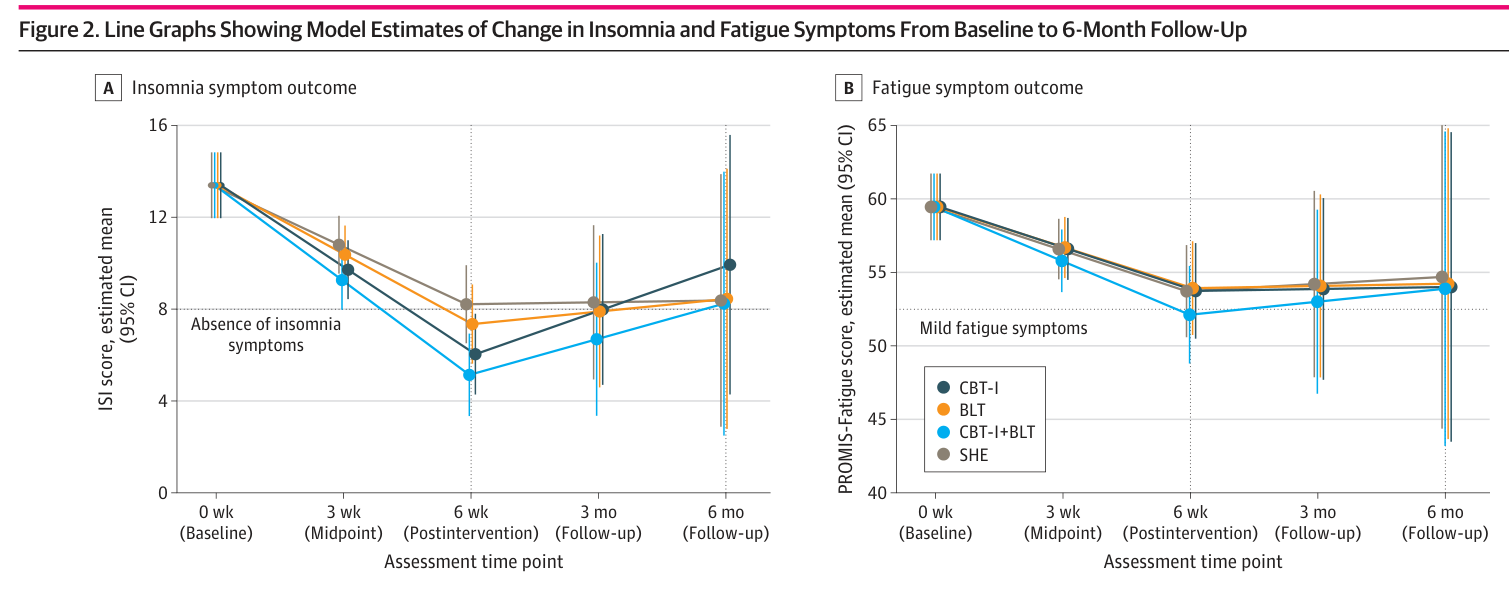
Figure 2 reproduced from Do et al. (2026), JAMA Network Open.
Featured study
In women having chemotherapy for breast cancer, a brief talking-therapy program for sleep reduced insomnia, while wearing bright light glasses did not clearly help sleep or tiredness.
Do et al. (2026). Cognitive behavior vs bright light therapy for insomnia in women undergoing chemotherapy for breast cancer: A randomized clinical trial. JAMA Network Open.
More from this theme
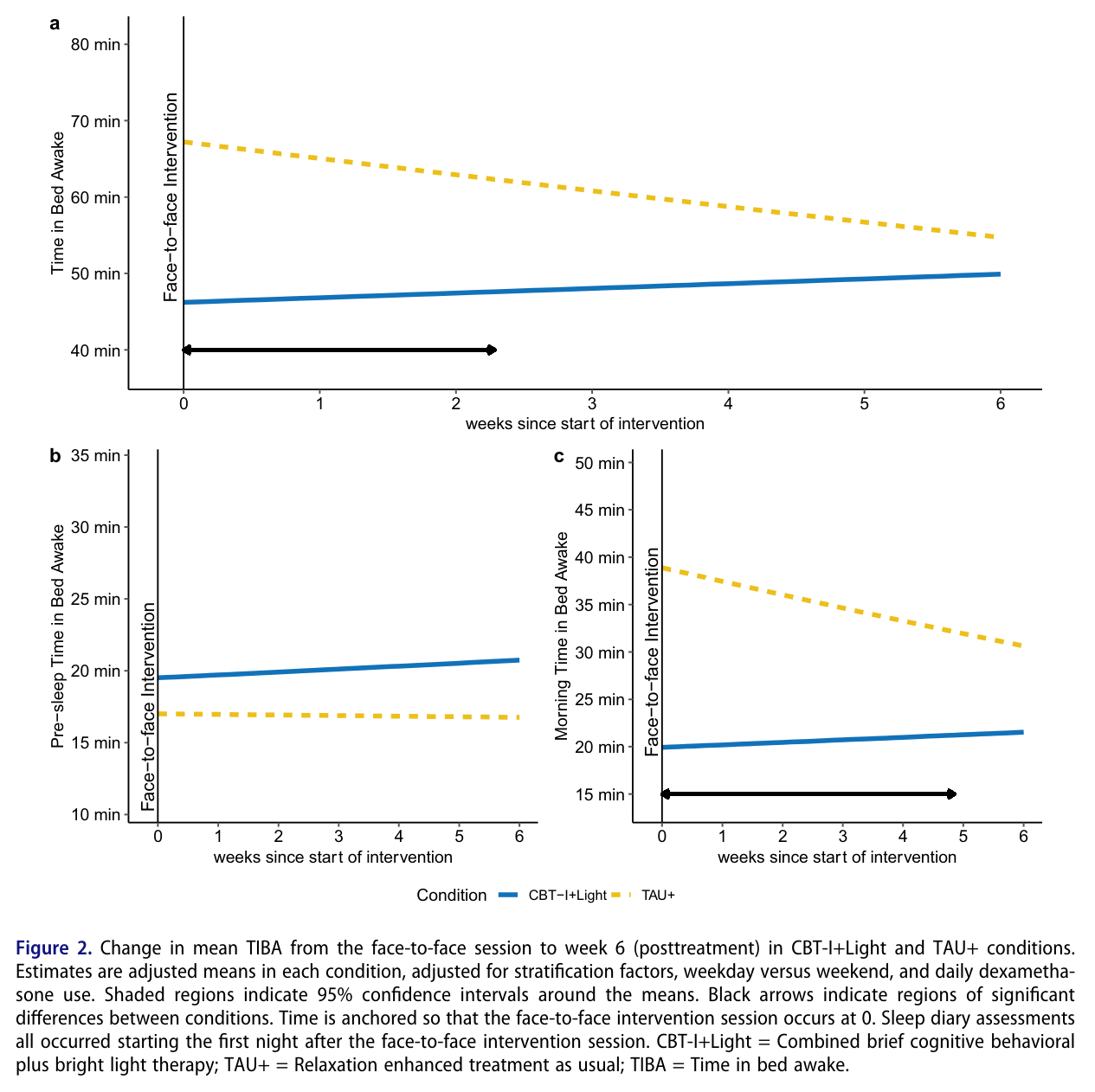
How the treatments work: during chemotherapy, changes in sleep habits, such as less time awake in bed, may matter for how cognitive behavioural therapy for insomnia plus bright light therapy works.
Figure 2 reproduced from Maccora et al. (2023), Behavioral Sleep Medicine.
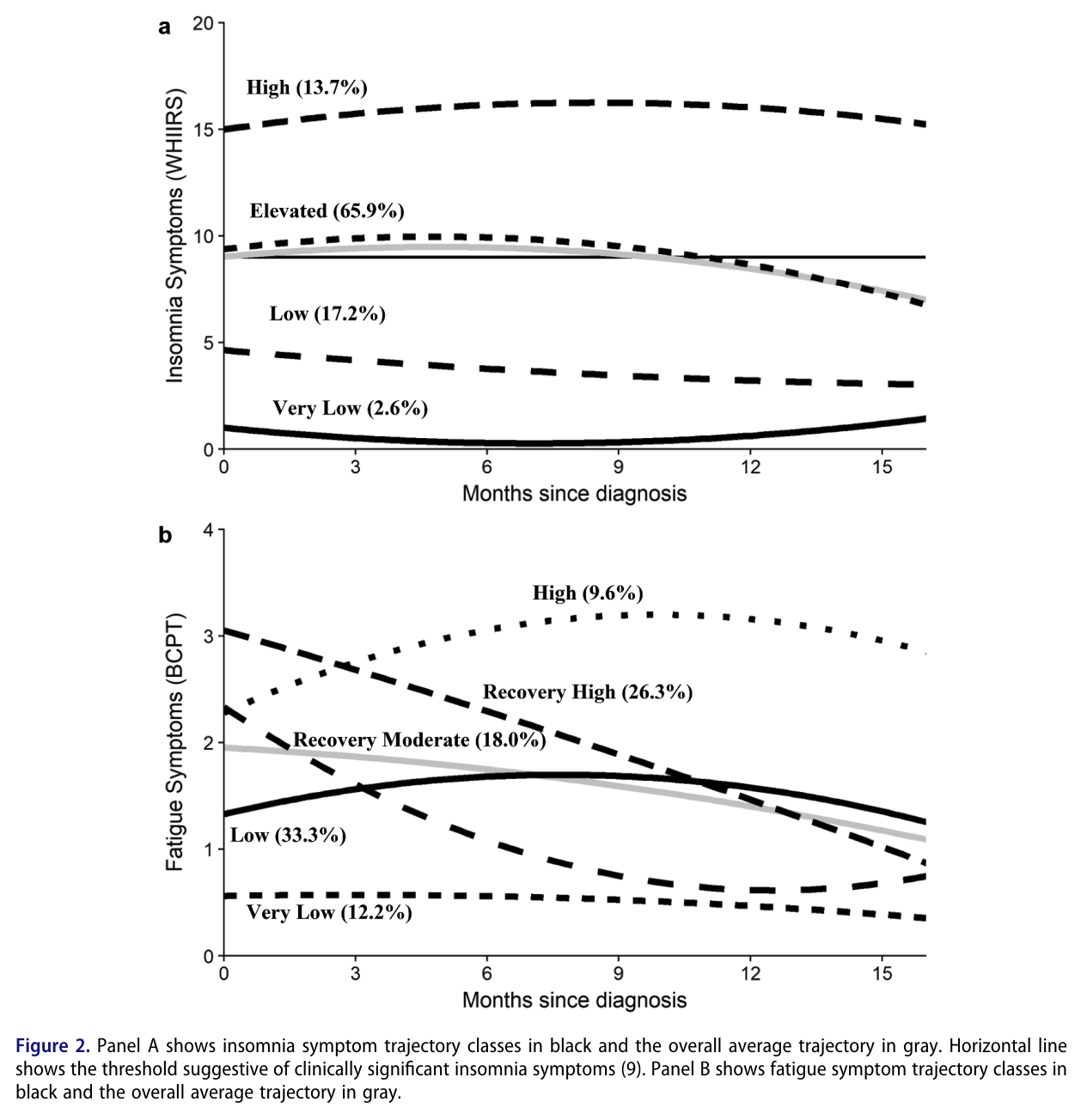
Who develops persistent insomnia and fatigue after a breast cancer diagnosis (US cohort).
Figure 2 reproduced from Bean et al. (2021), Behavioral Sleep Medicine.
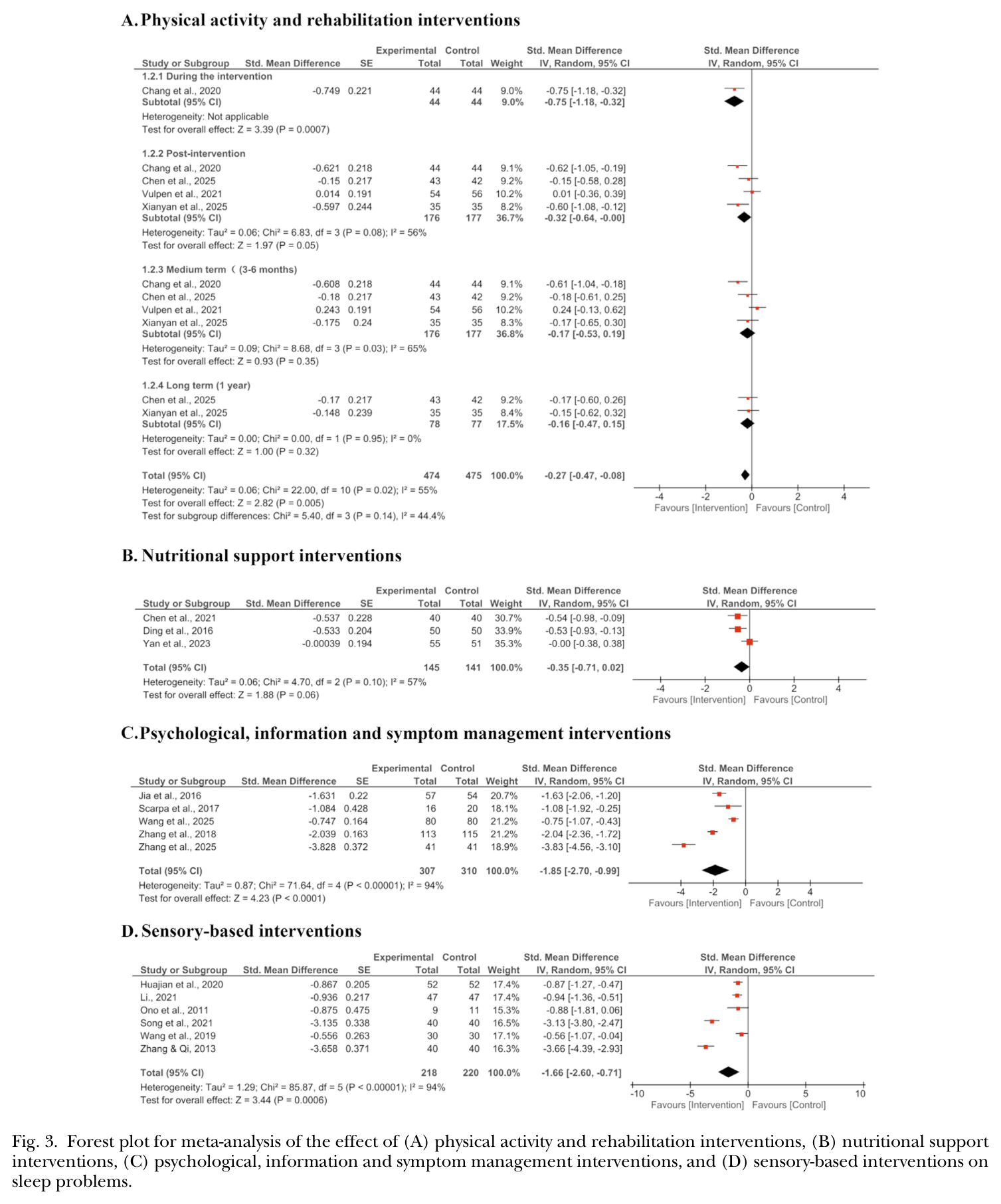
Beyond breast cancer: pooling the evidence on non-drug sleep treatments for people with stomach or oesophageal cancer.
Figure 3 reproduced from Li et al. (2026), Journal of Pain and Symptom Management.
Study plan
This study plan describes a trial testing whether an online, self-guided mindfulness program can help older adults sleep better and feel better, compared with an online sleep-habits program.
Beyond cancer: digital mindfulness for insomnia in older adults (trial protocol).
Sanjivini et al. (2025). Sleep Advances.
Psychosocial cancer care
A cancer diagnosis can affect emotional wellbeing long after treatment ends. We build and test online programs that help people manage difficult emotions, study how distress is picked up and referred in cancer clinics, and listen to people’s experiences, such as men’s sense of masculinity after testicular cancer.
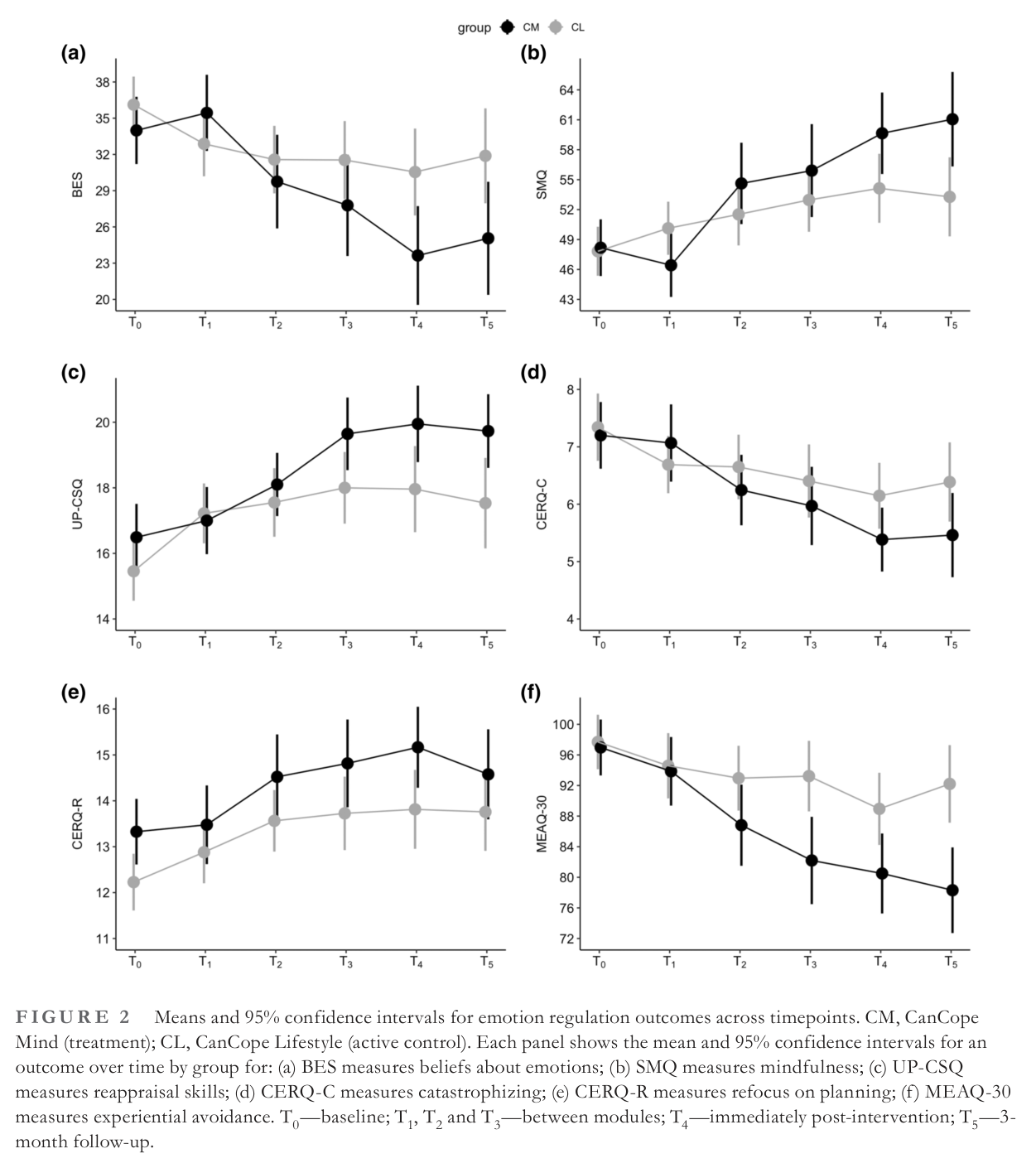
Figure 2 reproduced from Smith et al. (2023), British Journal of Health Psychology.
Featured study
An online, self-guided program teaching skills for handling emotions helped people who had finished cancer treatment become more mindful and less avoidant of difficult feelings than a healthy-lifestyle program.
Smith et al. (2023). Targeting emotional regulation using an Internet-delivered psychological intervention for cancer survivors: A randomized controlled trial. British Journal of Health Psychology.
More from this theme
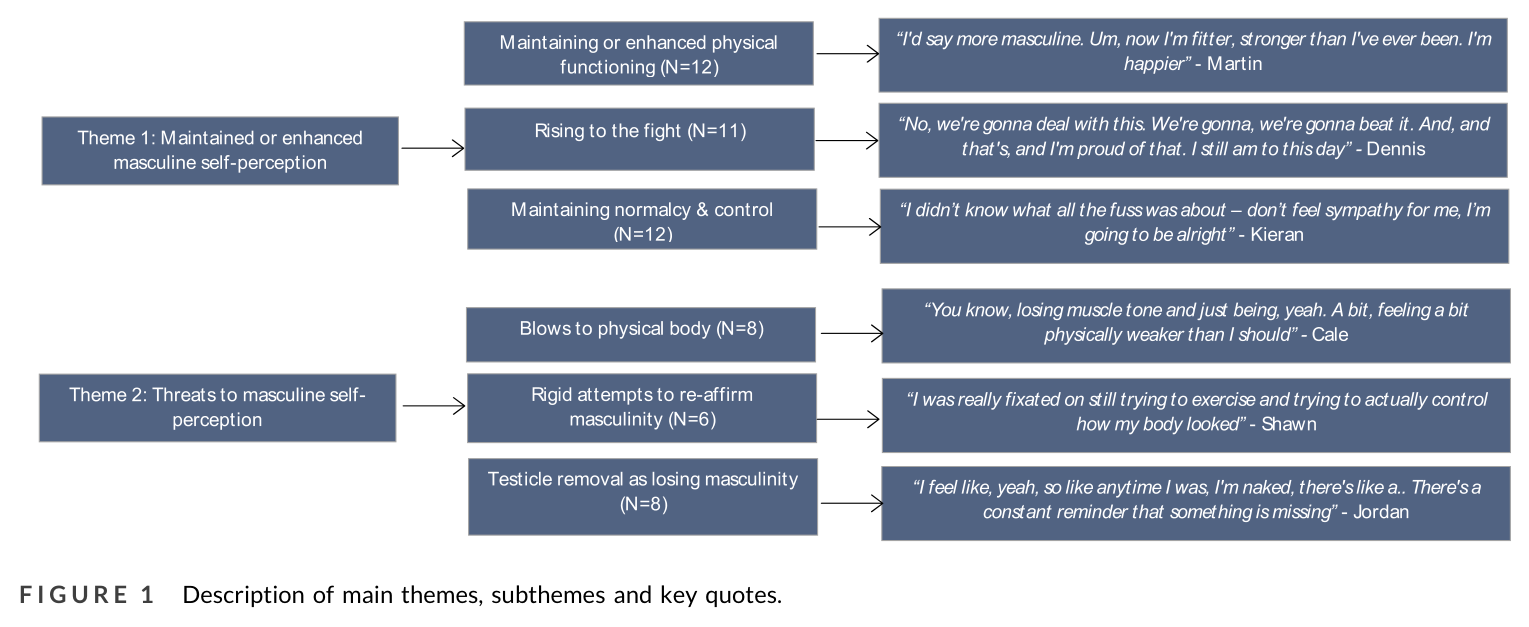
Men’s experiences: masculinity after testicular cancer (qualitative interviews).
Figure 1 reproduced from Dax et al. (2024), Psycho-Oncology.
Key finding
More than half of cancer outpatients screened at an Australian hospital reported high distress, but few were referred to mental health support, and most referrals went to services outside the hospital.
Health services: distress screening and psychology referral in oncology outpatient clinics.
Matthews et al. (2026). Psycho-Oncology.
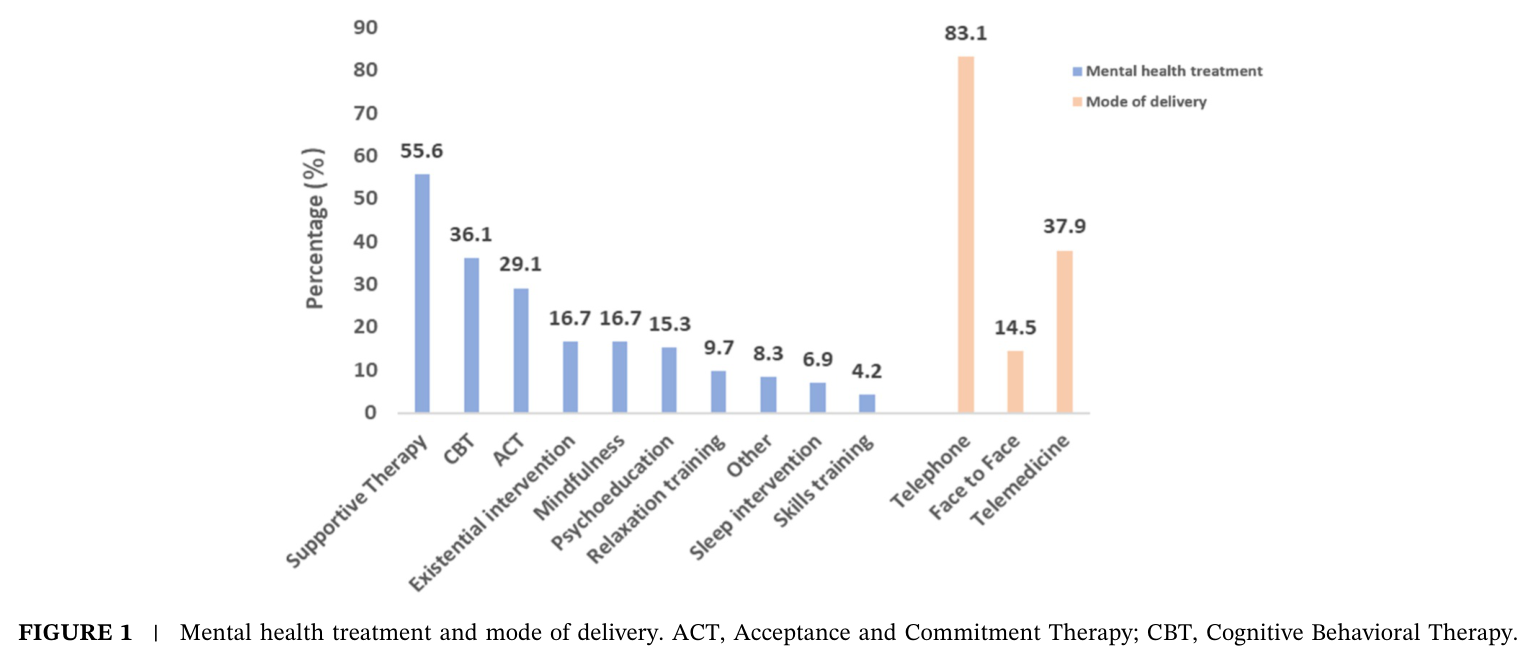
Older adults with cancer: who gets referred to psychology, and what helps or hinders referral.
Figure 1 reproduced from Wang et al. (2026), Psycho-Oncology.
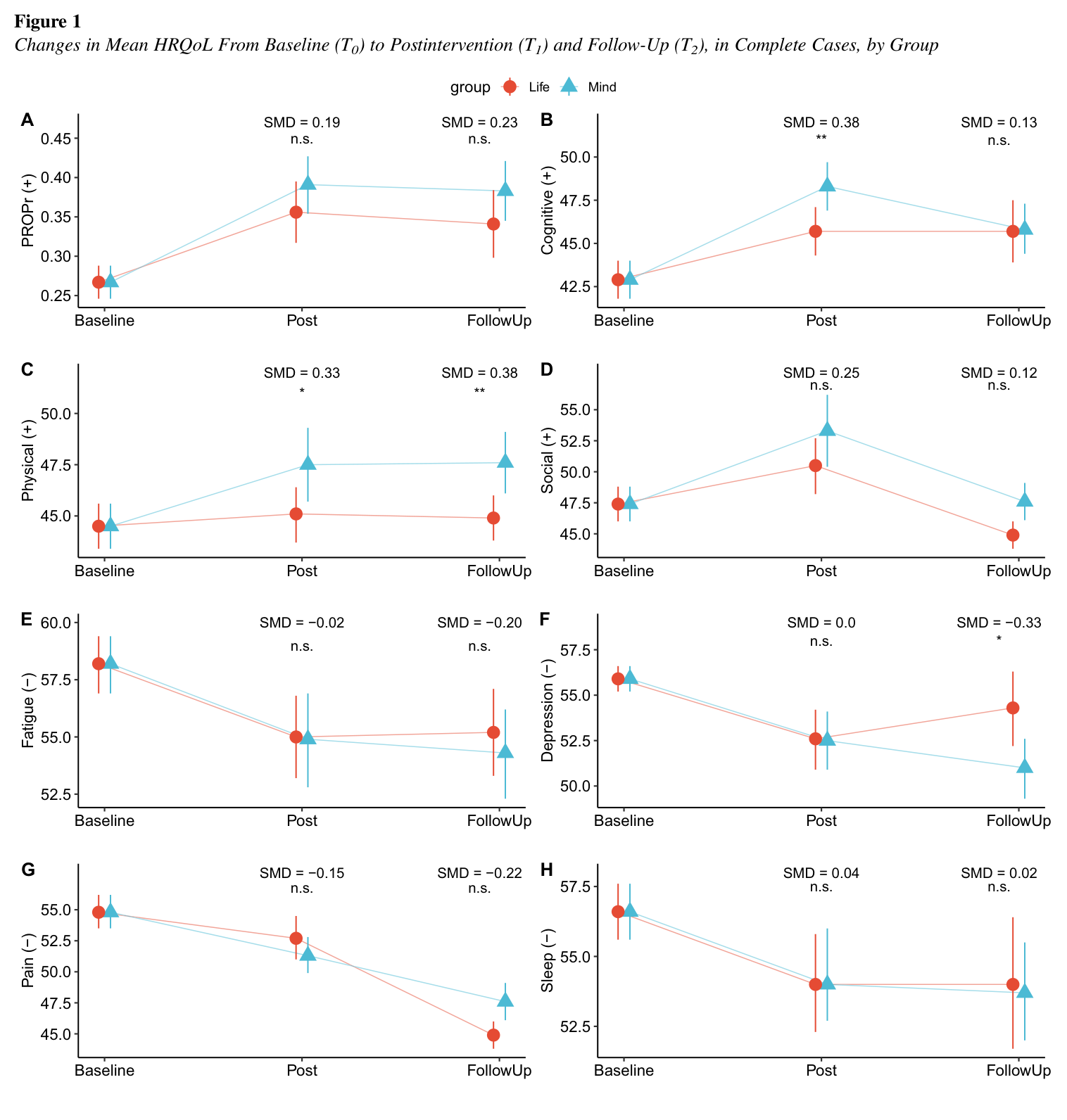
Quality of life after cancer: an international online trial (five countries) in which people’s quality of life improved with both the emotion-skills and healthy-lifestyle programs, with extra gains in thinking, physical function and mood from the emotion program.
Figure 1 reproduced from Wallace et al. (2025), Health Psychology.
Everyday sleep
Sleep in everyday life
Sleep changes from night to night, and those changes matter. Using sleep diaries, wearables and at-home EEG, we study how sleep, stress, mood and stress hormones influence each other day to day, and why irregular sleep is linked to poorer mental health, from teenagers to adults.
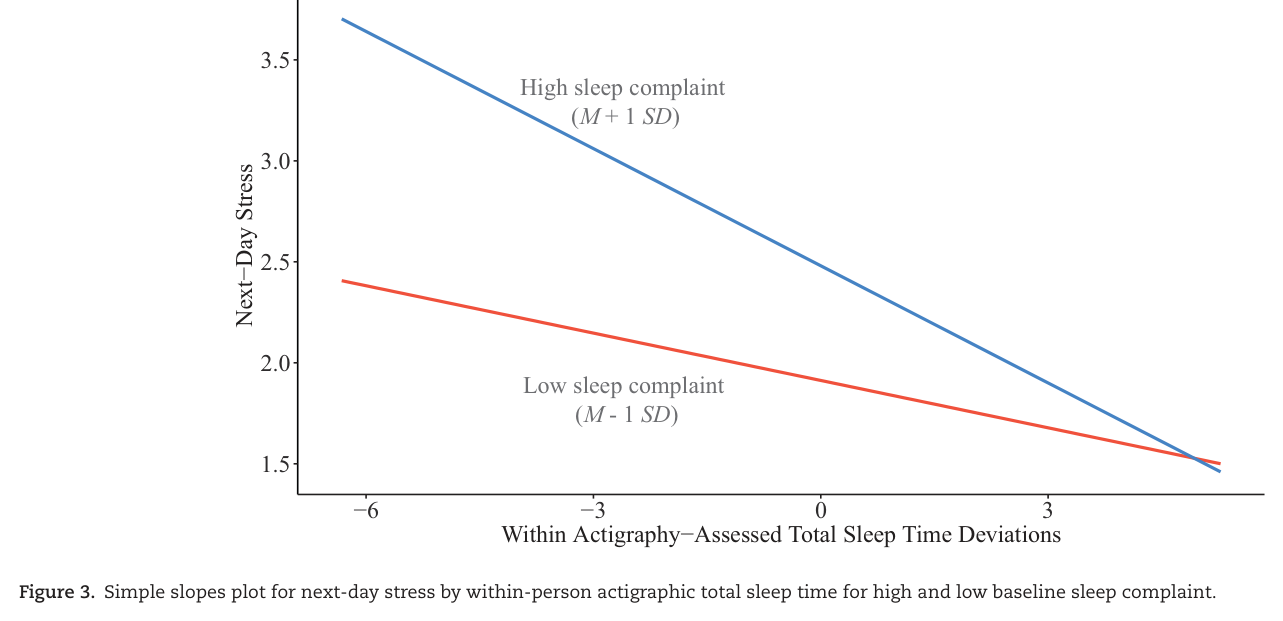
Figure 3 reproduced from Yap et al. (2020), Sleep.
Featured study
Tracking young adults day by day, we found that stressful evenings led to slightly shorter sleep, and short or broken sleep led to feeling more stressed the next day.
Yap et al. (2020). Bi-directional relations between stress and self-reported and actigraphy-assessed sleep: a daily intensive longitudinal study. Sleep.
More from this theme
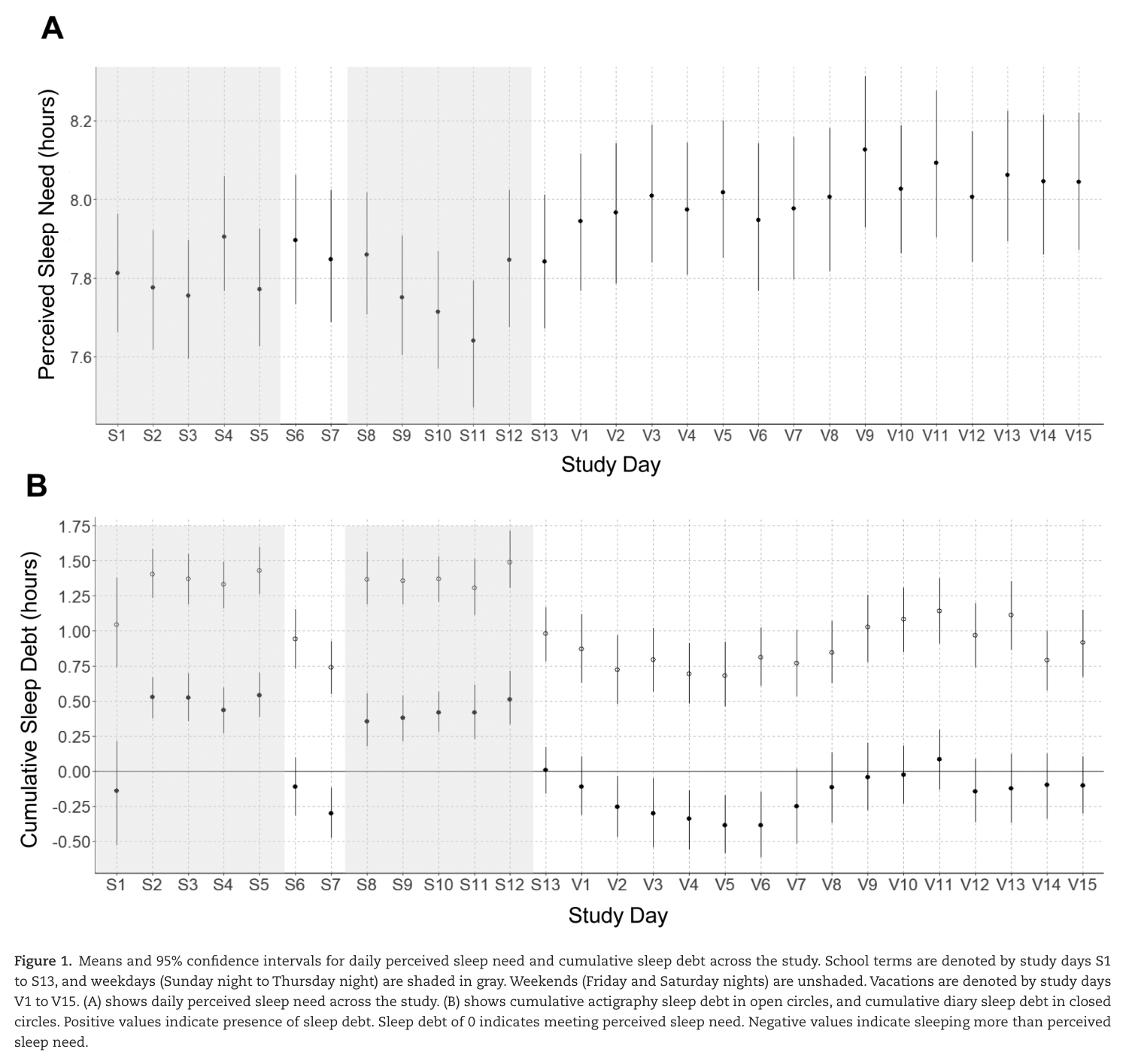
Adolescents: sleep debt building up across school weeks and recovering in holidays, and its links with mood.
Figure 1 reproduced from Shen et al. (2021), Sleep.
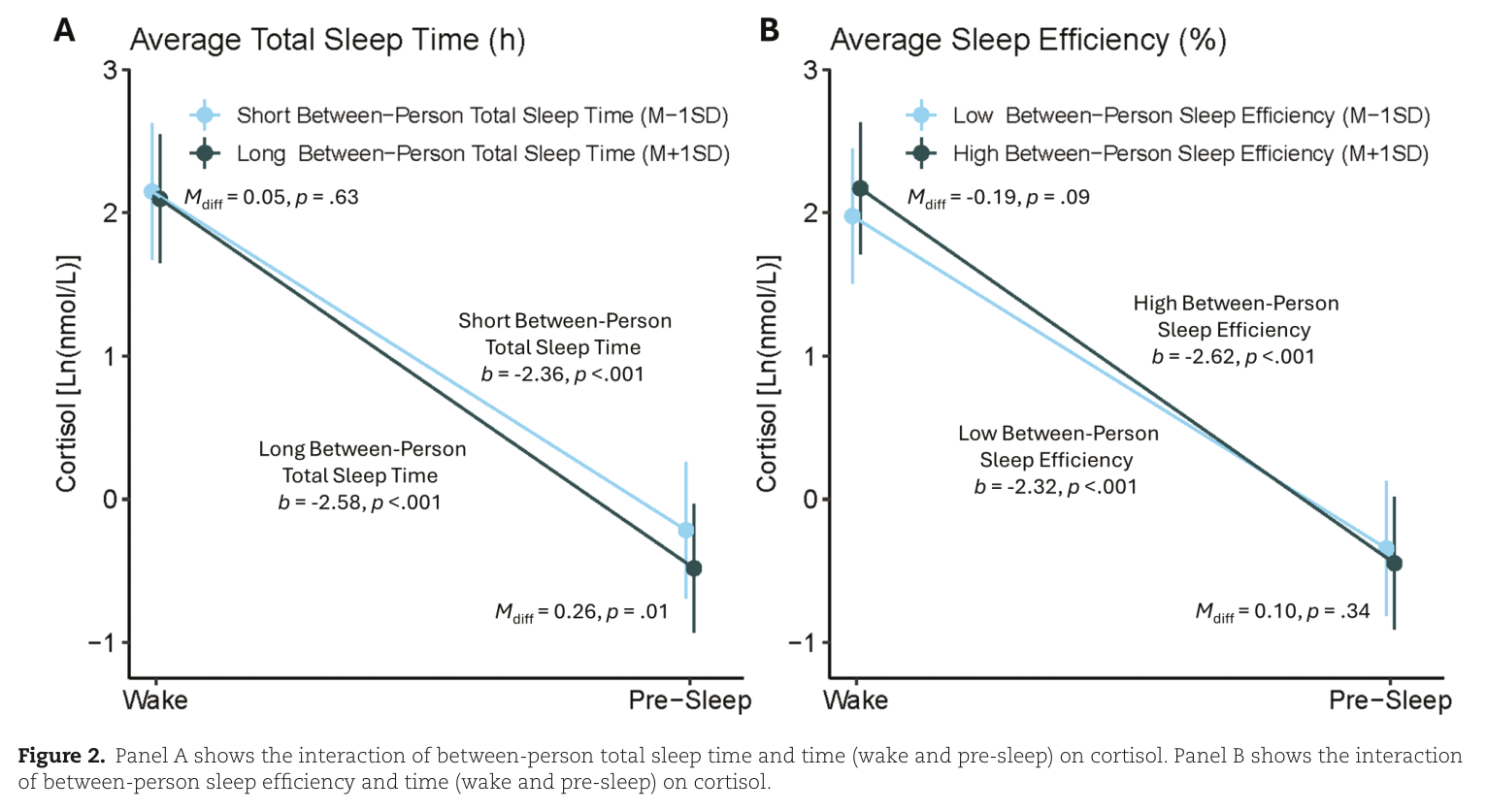
Measured, not just reported: two weeks of at-home EEG sleep recordings and saliva samples show that when bedtime cortisol, a stress hormone, is higher than usual, sleep is shorter and poorer.
Figure 2 reproduced from Yap et al. (2024), Sleep.
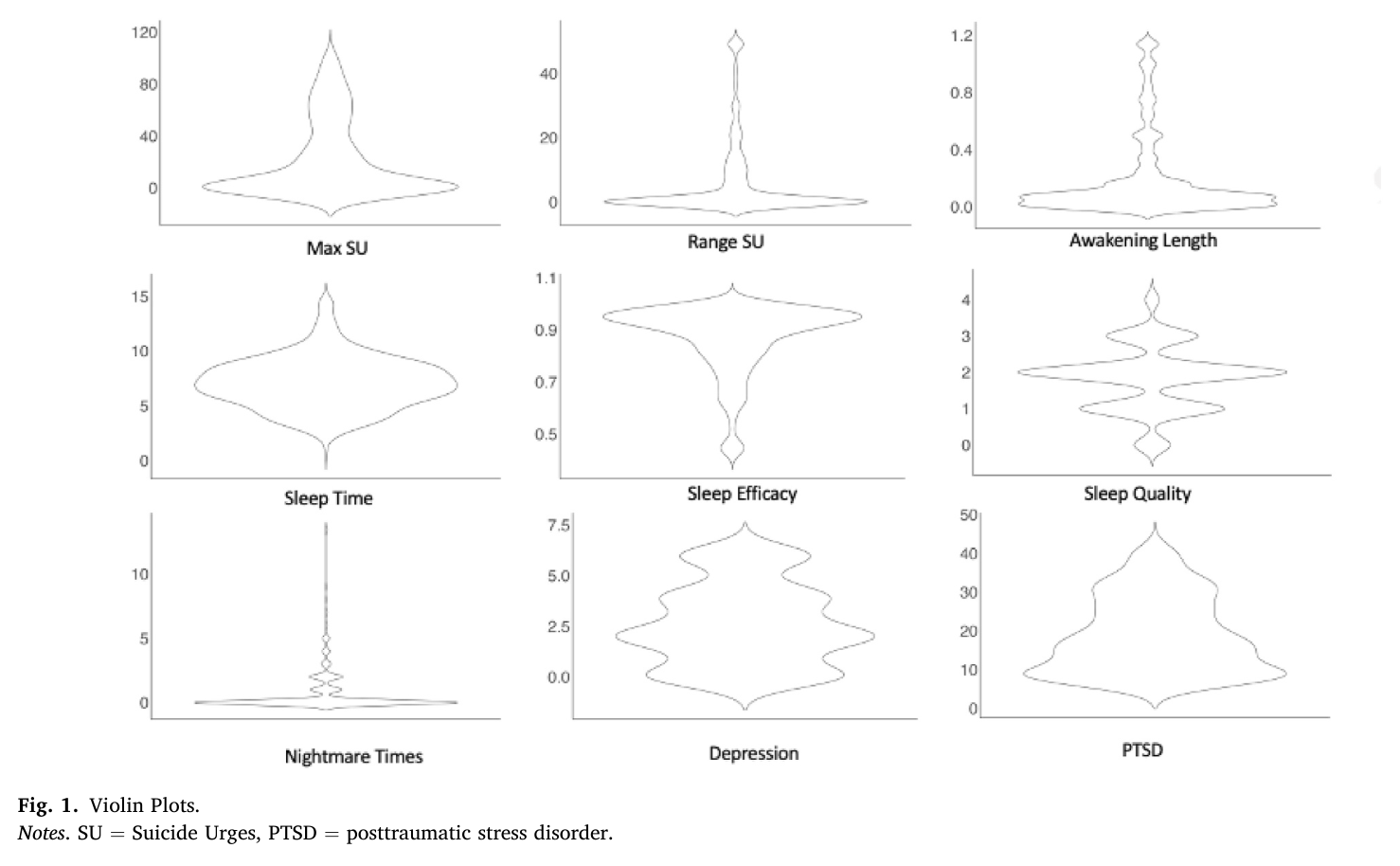
Military personnel at high suicide risk (international collaboration): daily sleep problems predict next-day suicidal urges in US Marines.
Figure 1 reproduced from Brown et al. (2024), Journal of Psychiatric Research.
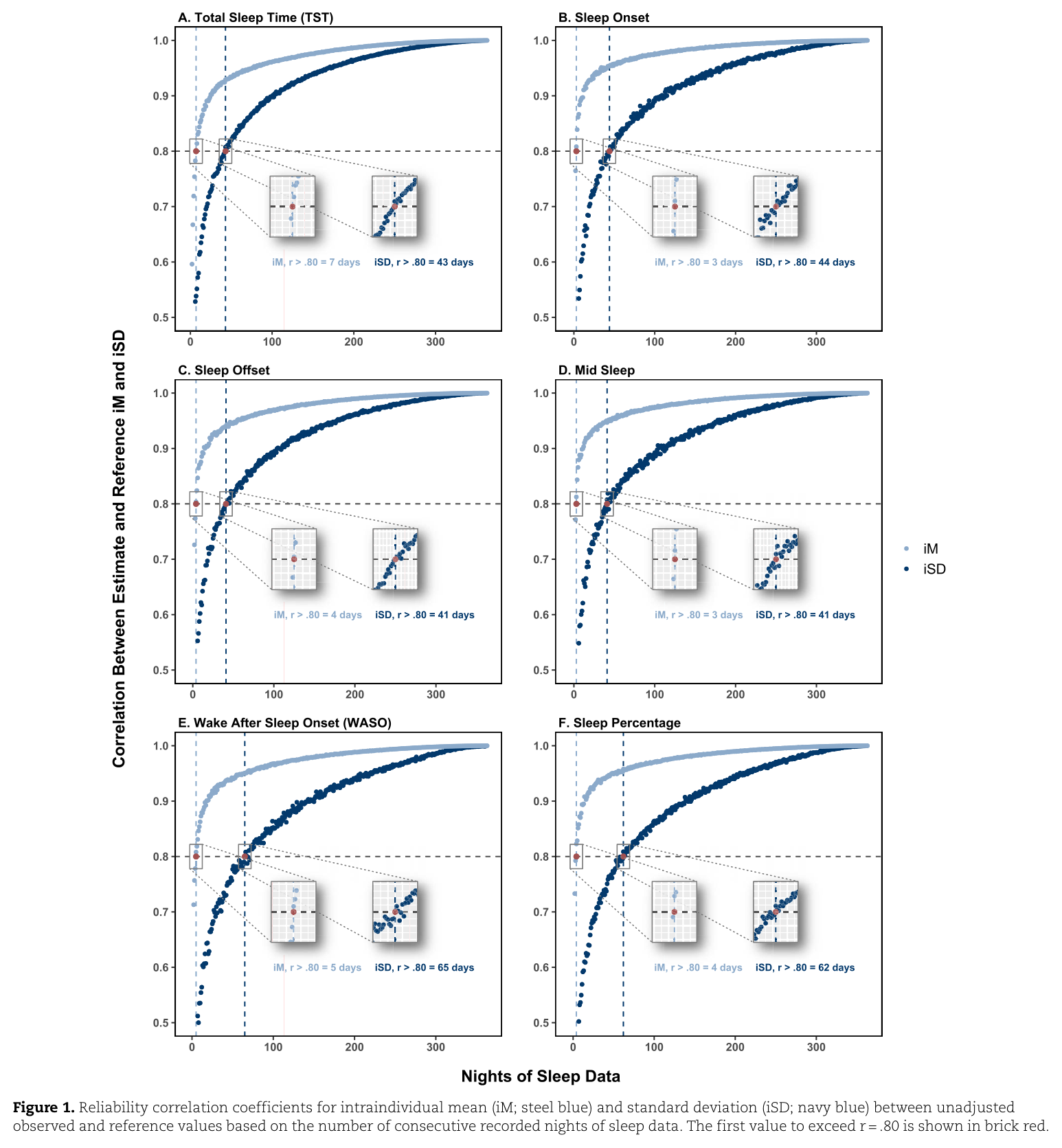
Consumer wearables: how many nights are needed to measure sleep variability reliably, using a year of WHOOP data.
Figure 1 reproduced from Leota et al. (2026), Sleep.
Stress & emotions
Stress, coping and emotions
Everyone faces stress, but how we respond shapes our mental health. We follow people’s stress, emotions and coping several times a day in their everyday lives, to understand how feelings rise and fall, which ways of coping help or backfire, and what makes some people more resilient.
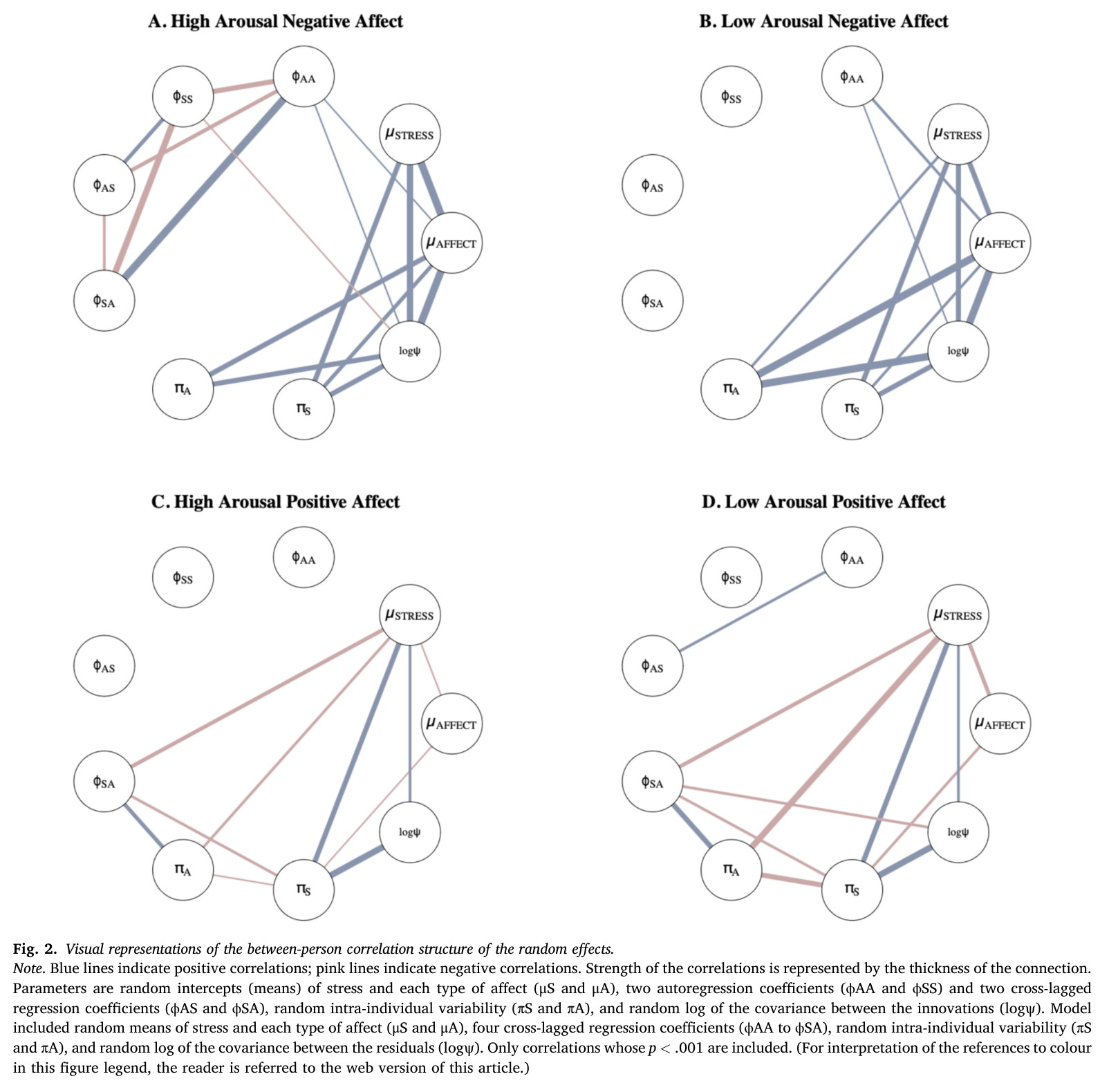
Figure 2 reproduced from Le et al. (2026), Journal of Affective Disorders.
Featured study
Tracking young adults’ stress and emotions several times a day showed that stress and feelings push each other up and down over hours, and that highly stressed people get less relief from positive moods.
Le et al. (2026). Temporal bidirectional dynamics of momentary stress and affect: Dynamic structural equation modelling of ecological momentary assessments. Journal of Affective Disorders.
More from this theme
Key finding
Teenagers who felt stronger positive emotions day to day had fewer depression and anxiety symptoms two years later, and those with stronger negative emotions had more anxiety, but none of the daily emotion measures predicted school test results.
A two-year study of teenagers: Melbourne students rated their emotions daily for two weeks every six months from Year 7, to see whether everyday emotions forecast later mental health and school results.
Sun et al. (2026). Journal of Affective Disorders.
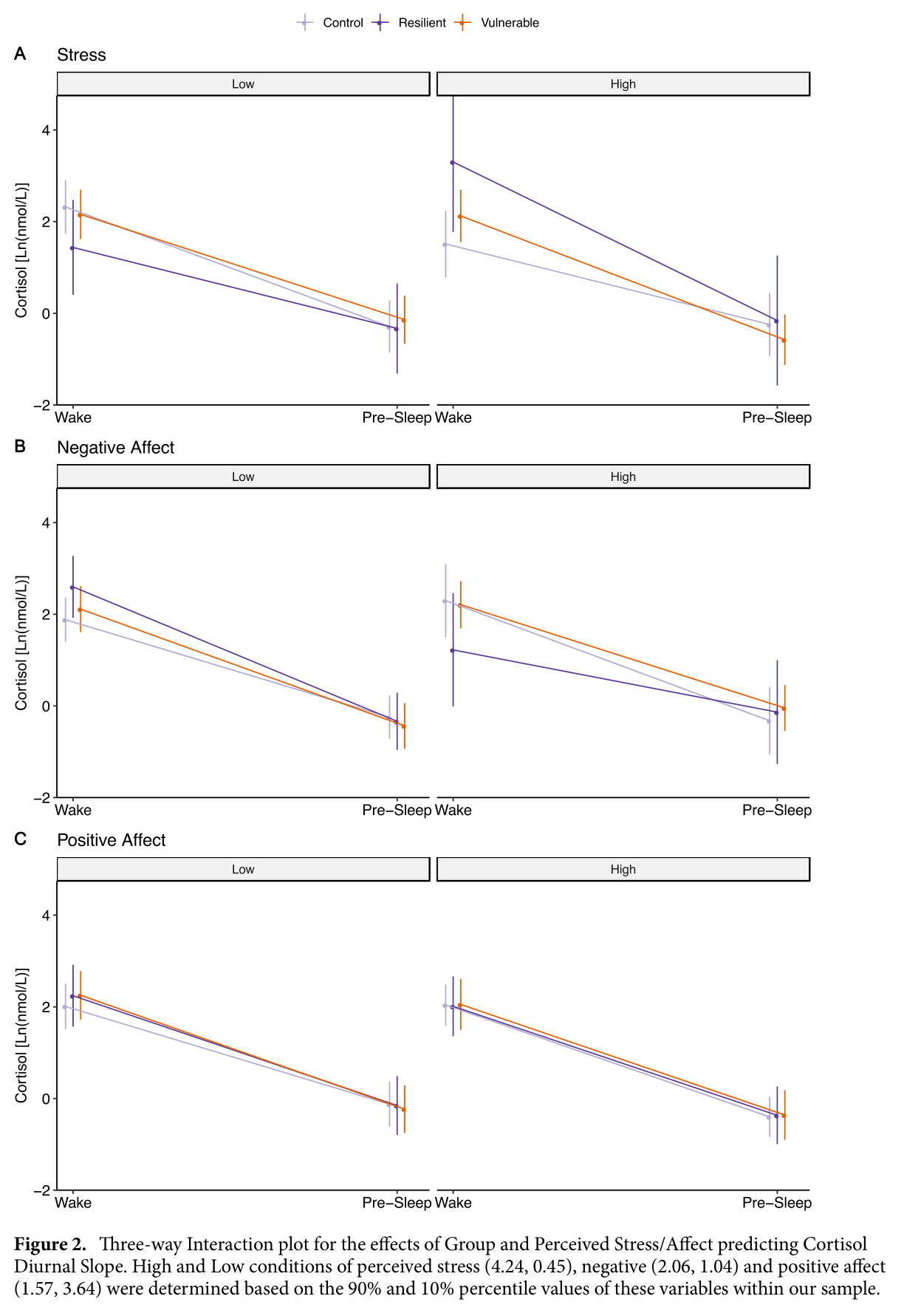
Stress hormones: early family adversity, resilience and the daily rhythm of cortisol in students who moved interstate or overseas for university.
Figure 2 reproduced from Tung et al. (2022), Scientific Reports.
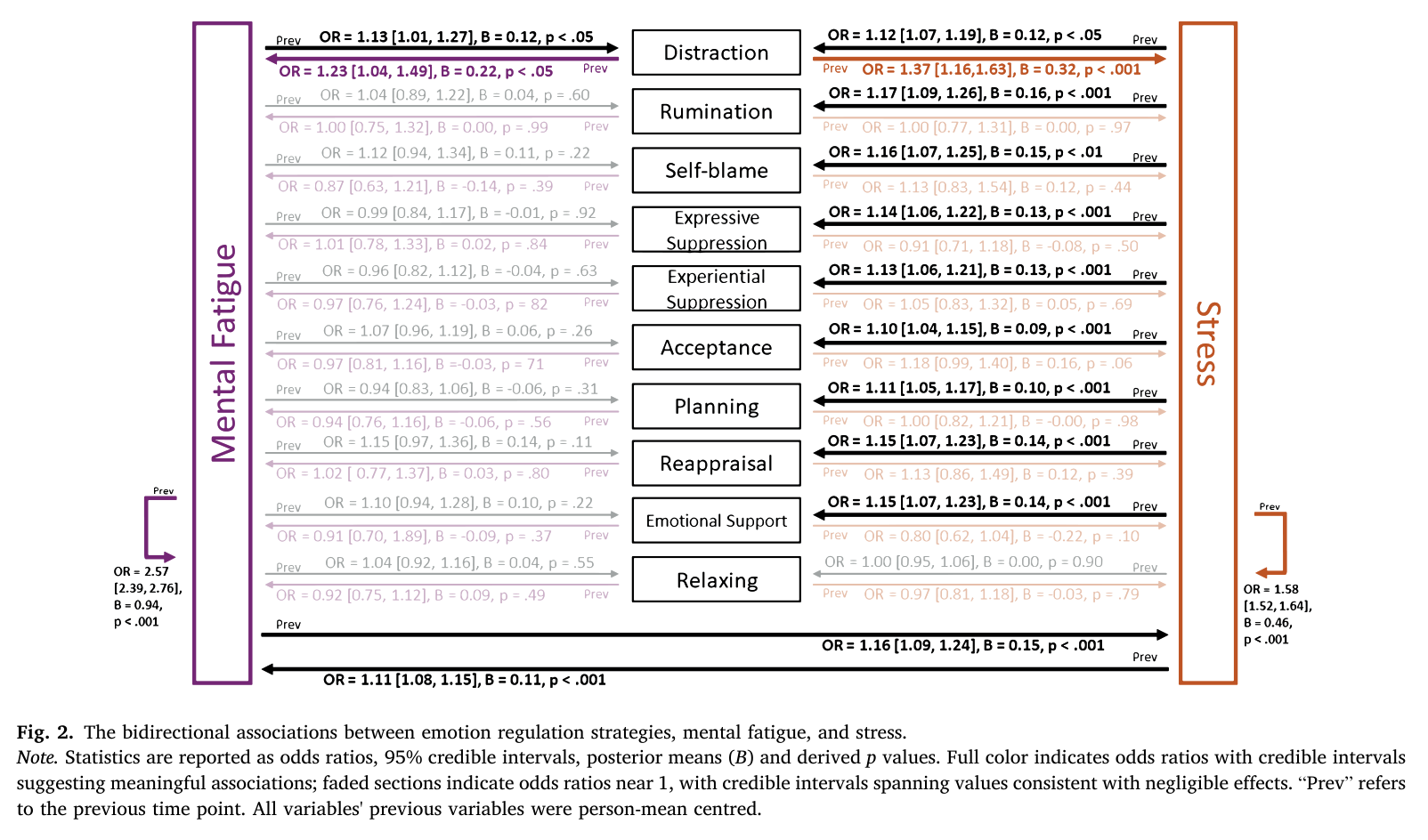
Emotion regulation in daily life: in adults aged 18–35 surveyed four times a day for four weeks, distracting themselves from bad feelings was followed by more mental fatigue and stress a few hours later.
Figure 2 reproduced from Kirkham et al. (2026), Journal of Affective Disorders.
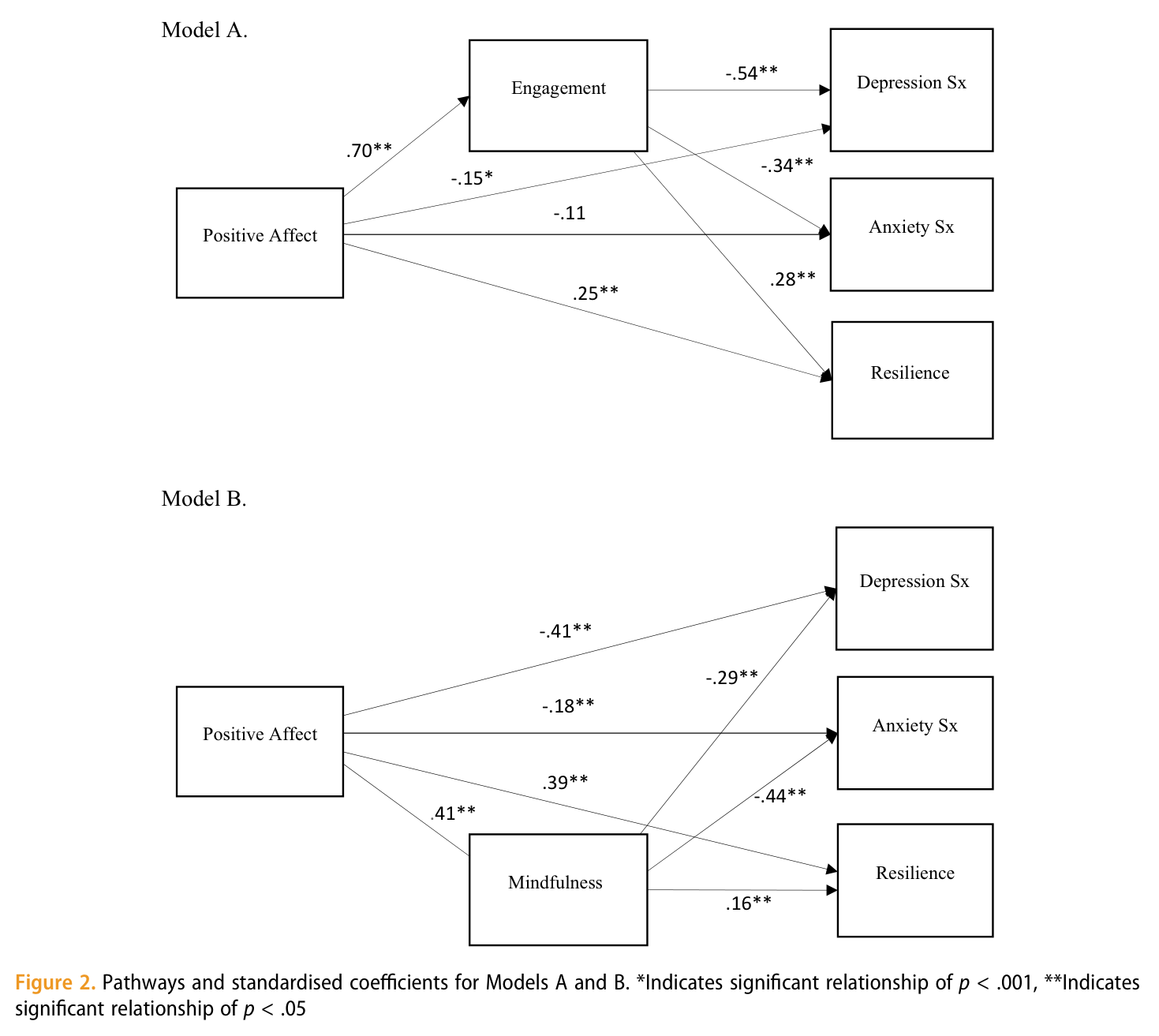
Large national survey of tertiary students: positive affect, purpose and mindfulness as routes to lower anxiety.
Figure 2 reproduced from Tuck et al. (2025), Australian Psychologist.
24-hour time use
24-hour time use: sleep, activity and sitting
Every day has 24 hours, so more time for one activity means less time for another. We study how the balance of sleep, physical activity and sitting across the day relates to mood and wellbeing, using compositional data analysis methods we developed and share as free software.
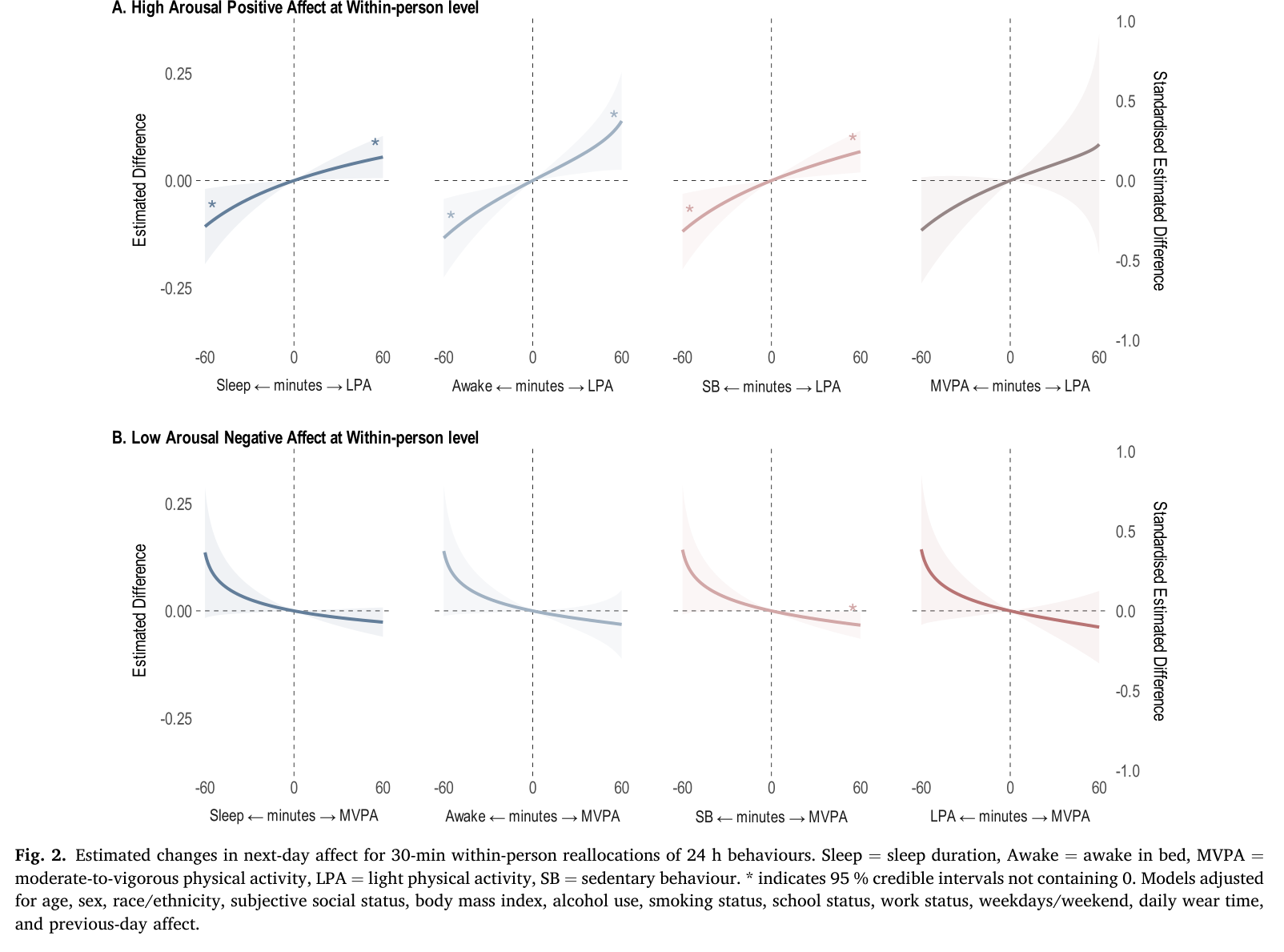
Figure 2 reproduced from Le et al. (2026), Psychology of Sport and Exercise.
Featured study
Tracking young adults’ sleep and movement with wrist devices for up to two weeks showed that swapping sitting time for light or more vigorous activity on a given day predicted slightly better mood the next day.
Le et al. (2026). Daily, prospective associations of sleep, physical activity, and sedentary behaviour with affect: A Bayesian multilevel compositional data analysis. Psychology of Sport and Exercise.
More from this theme
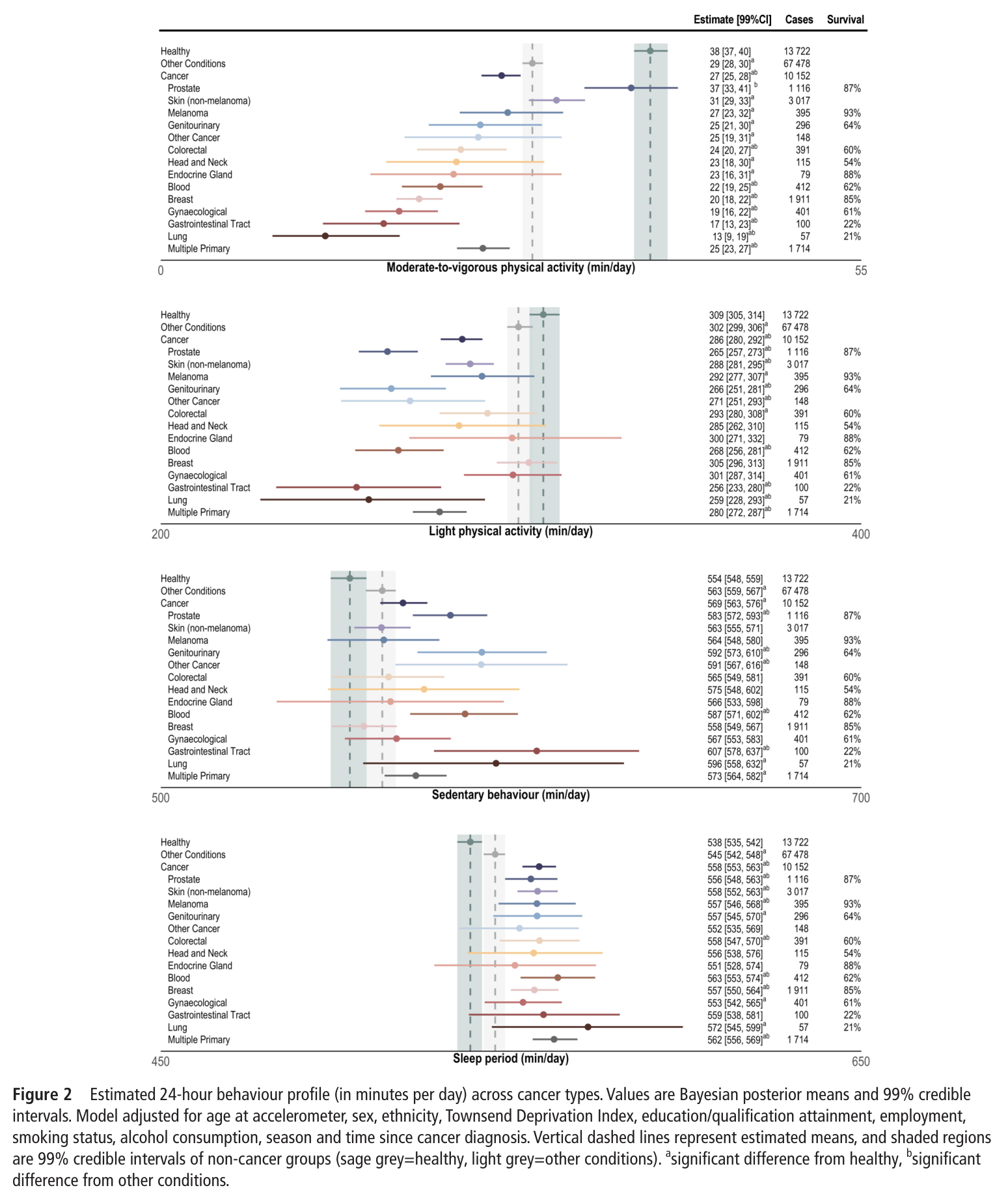
People with cancer: 24-hour activity and sleep profiles in UK Biobank.
Figure 2 reproduced from Le et al. (2026), Journal of Epidemiology and Community Health.
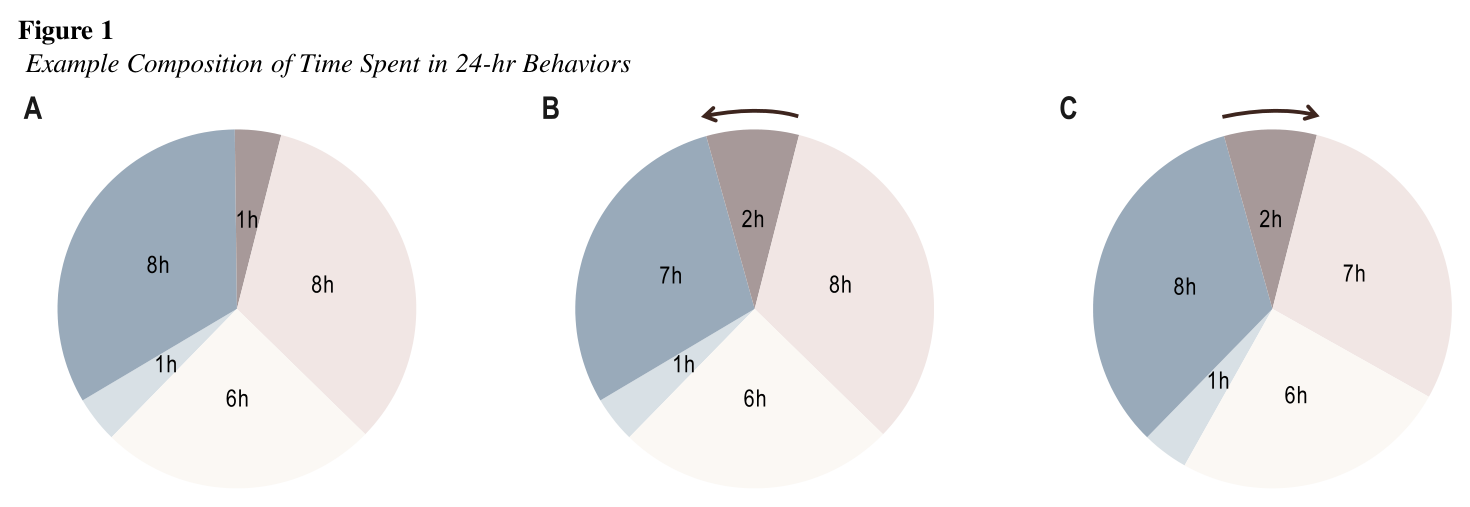
The method itself: Bayesian multilevel compositional data analysis, implemented in the multilevelcoda R package.
Figure 1 reproduced from Le et al. (2025), Psychological Methods.
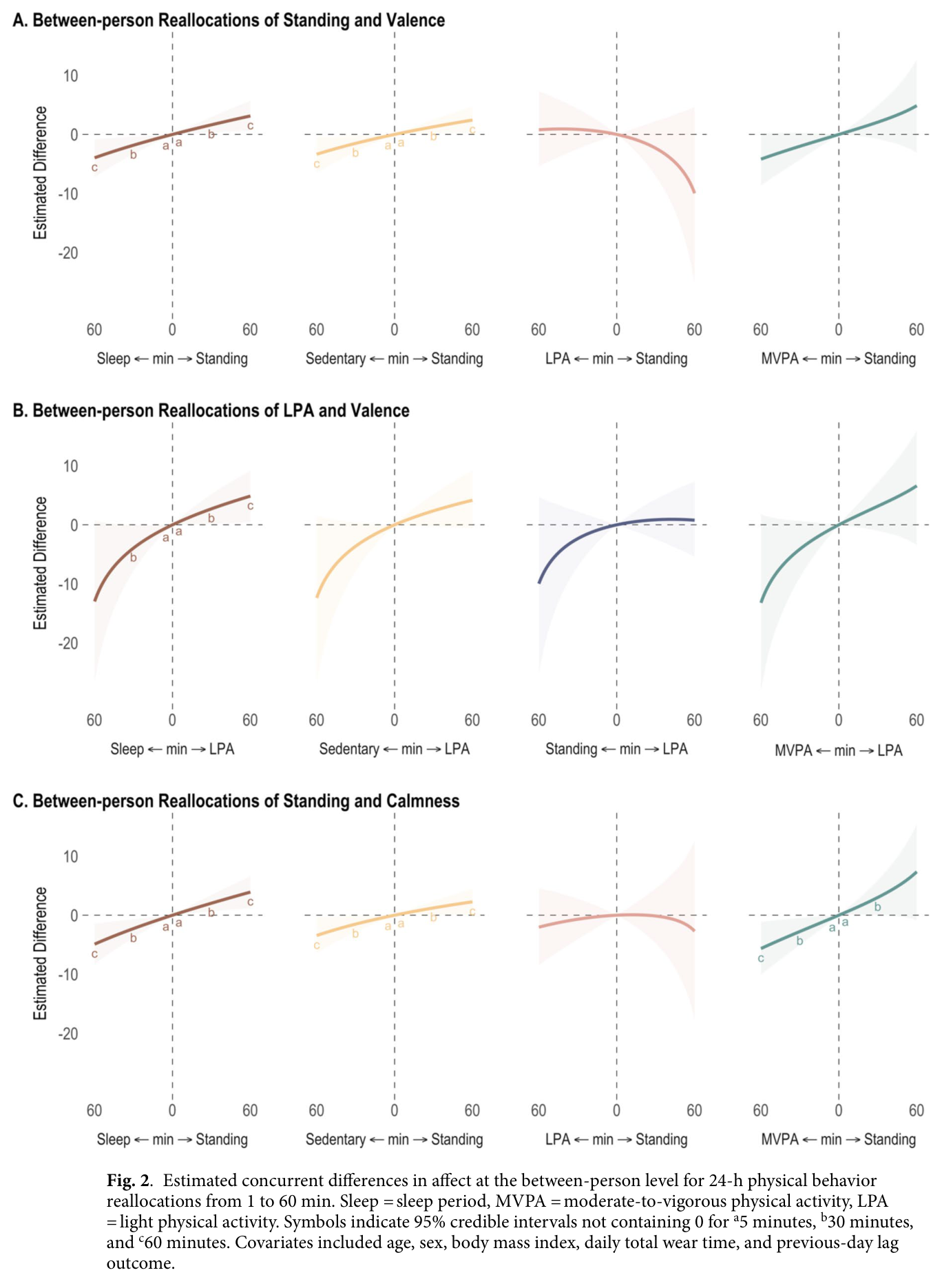
International collaboration: daily movement, mood and working memory in German university employees.
Figure 2 reproduced from Le et al. (2025), Scientific Reports.
Methods
How we work
Intensive daily studies, randomised trials, new statistical methods and software, and evidence synthesis.
Intensive daily studies
Short phone surveys, daily diaries, wearables and at-home sleep recordings capture life as it happens.
Randomised trials of brief and digital interventions
Testing treatments that can reach many people, from sleep therapy and bright light to online programs.
New statistical methods, measures and software
Our R packages are free and open source, so any researcher can use them.
Evidence synthesis and qualitative research
Systematic reviews pool the published evidence; interviews and focus groups capture the experiences of patients and health professionals.
Free R packages from the lab