We study sleep, stress and emotions as life happens, and build interventions to help.
Especially for people affected by cancer. A lab in the School of Psychological Sciences and the Turner Institute for Brain and Mental Health at Monash University, led by Dr Joshua Wiley.
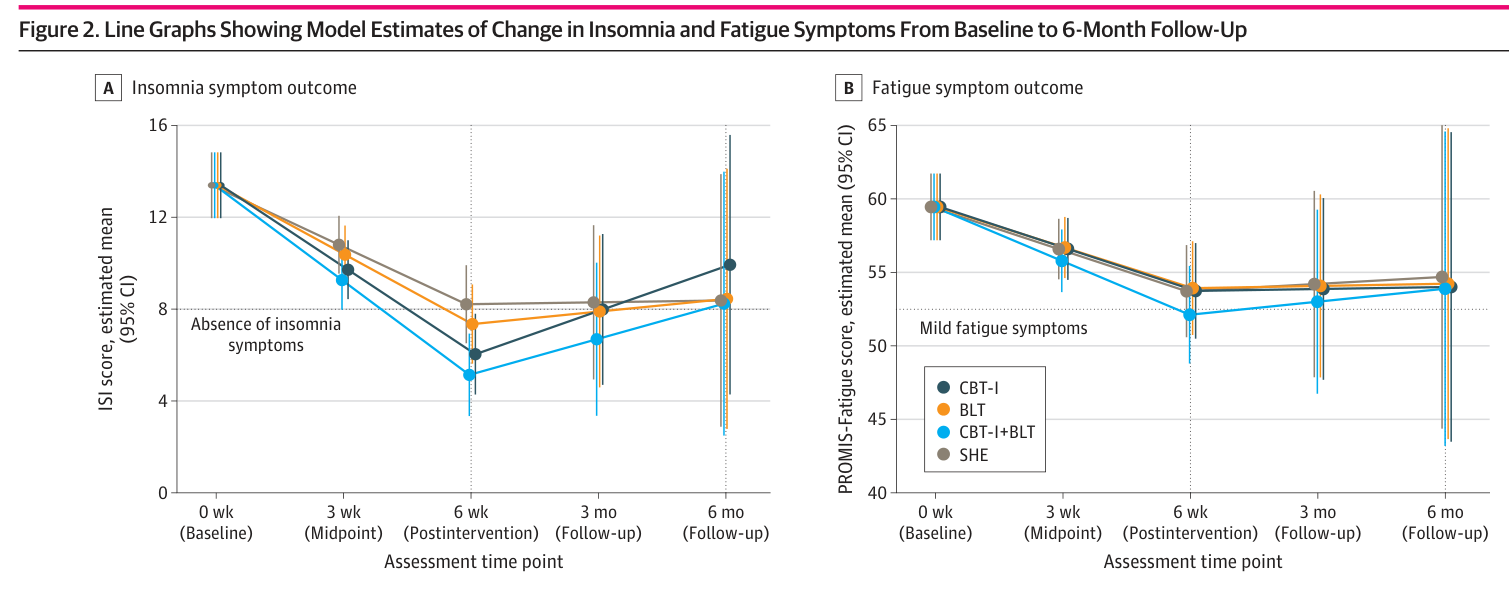
Figure 2 reproduced from Do et al. (2026), JAMA Network Open.
Insomnia & fatigue
In women having chemotherapy for breast cancer, a brief talking-therapy program for sleep reduced insomnia, while wearing bright light glasses did not clearly help sleep or tiredness.
Do et al. (2026), JAMA Network Open.
Where would you like to start?
Participants & community
I’m living with or after cancer, or caring for someone who is
Take part in a study, or help shape our research as a paid lived experience partner.
Future students
I’m thinking about Honours, Masters or a PhD
15 doctoral theses and 29 Honours projects completed here since 2017. Most papers the lab leads have a student as first author.
Researchers & clinicians
I’m looking for papers, methods or collaborators
Our findings by theme, the full publication list and free R packages for multilevel and compositional data.
Our research
Figure 2 reproduced from Do et al. (2026), JAMA Network Open.
Insomnia & fatigue
In women having chemotherapy for breast cancer, a brief talking-therapy program for sleep reduced insomnia, while wearing bright light glasses did not clearly help sleep or tiredness.
Do et al. (2026) Read more
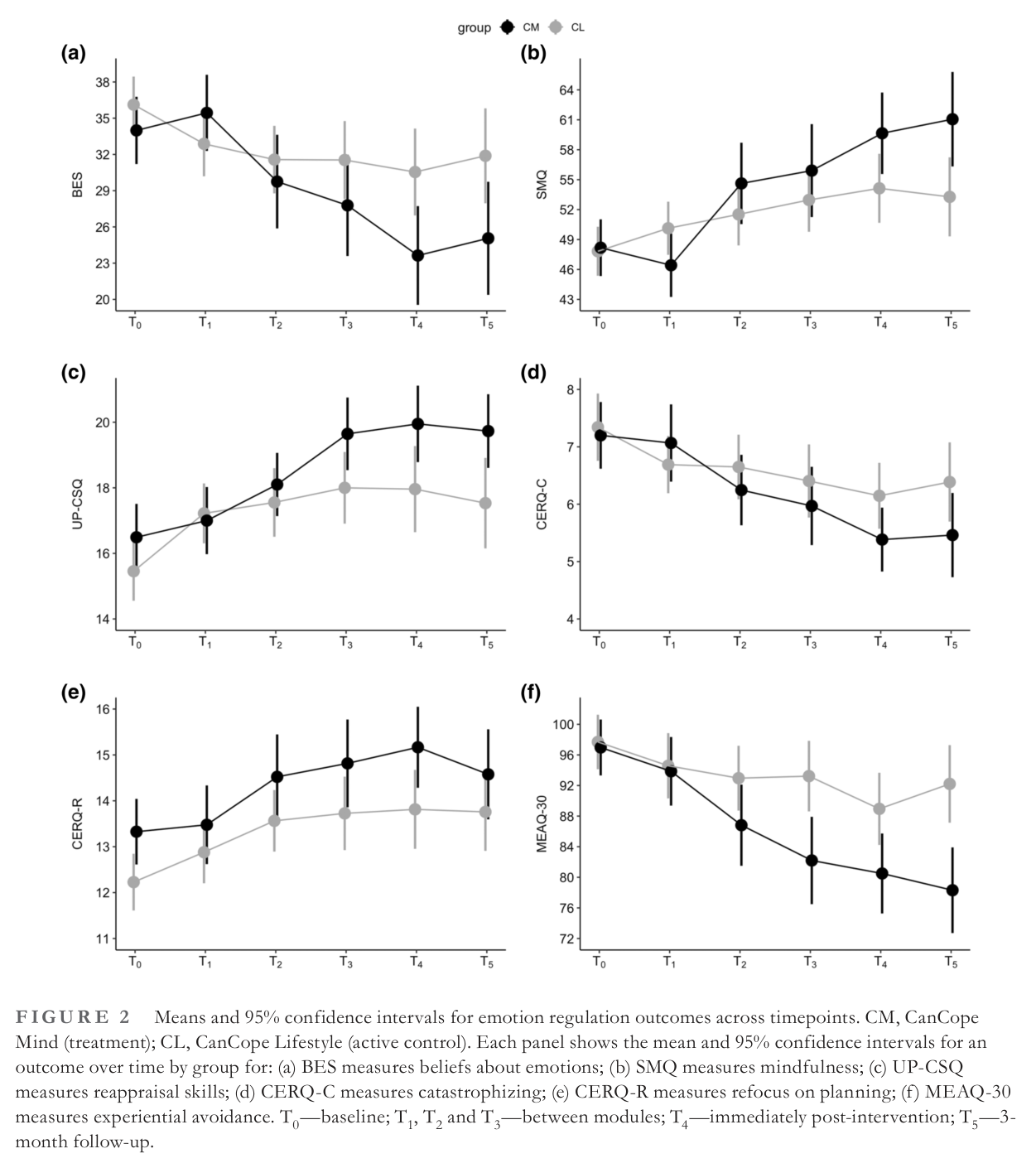
Figure 2 reproduced from Smith et al. (2023), British Journal of Health Psychology.
Psychosocial cancer care
An online, self-guided program teaching skills for handling emotions helped people who had finished cancer treatment become more mindful and less avoidant of difficult feelings than a healthy-lifestyle program.
Smith et al. (2023) Read more
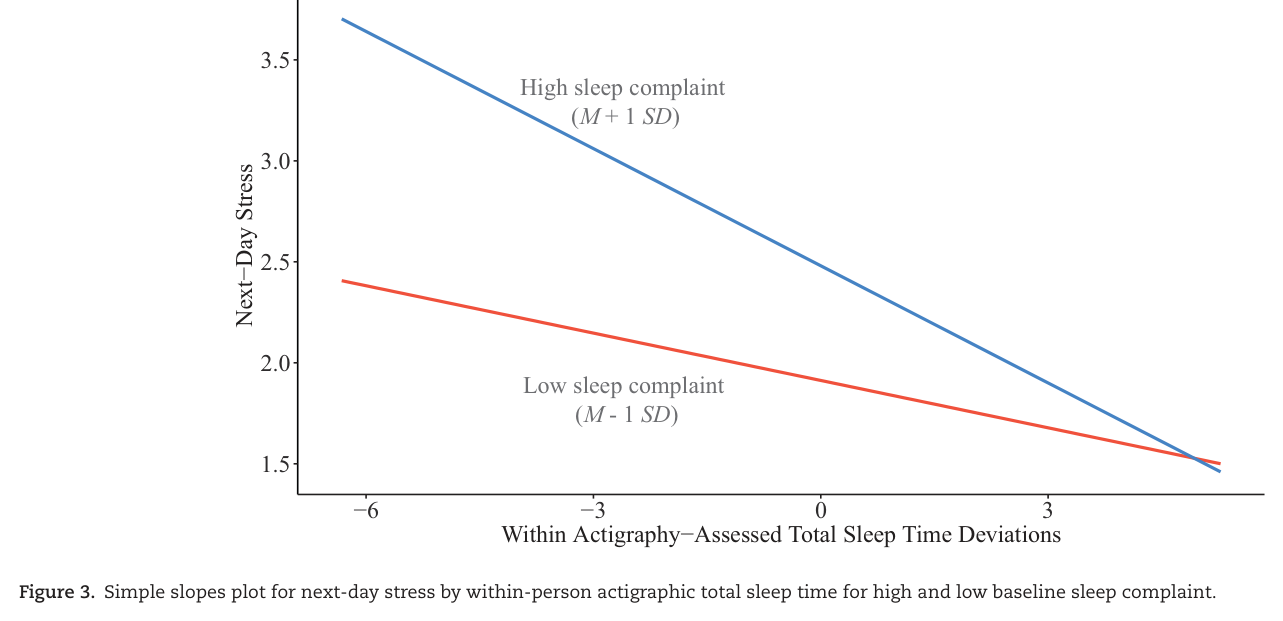
Figure 3 reproduced from Yap et al. (2020), Sleep.
Everyday sleep
Tracking young adults day by day, we found that stressful evenings led to slightly shorter sleep, and short or broken sleep led to feeling more stressed the next day.
Yap et al. (2020) Read more
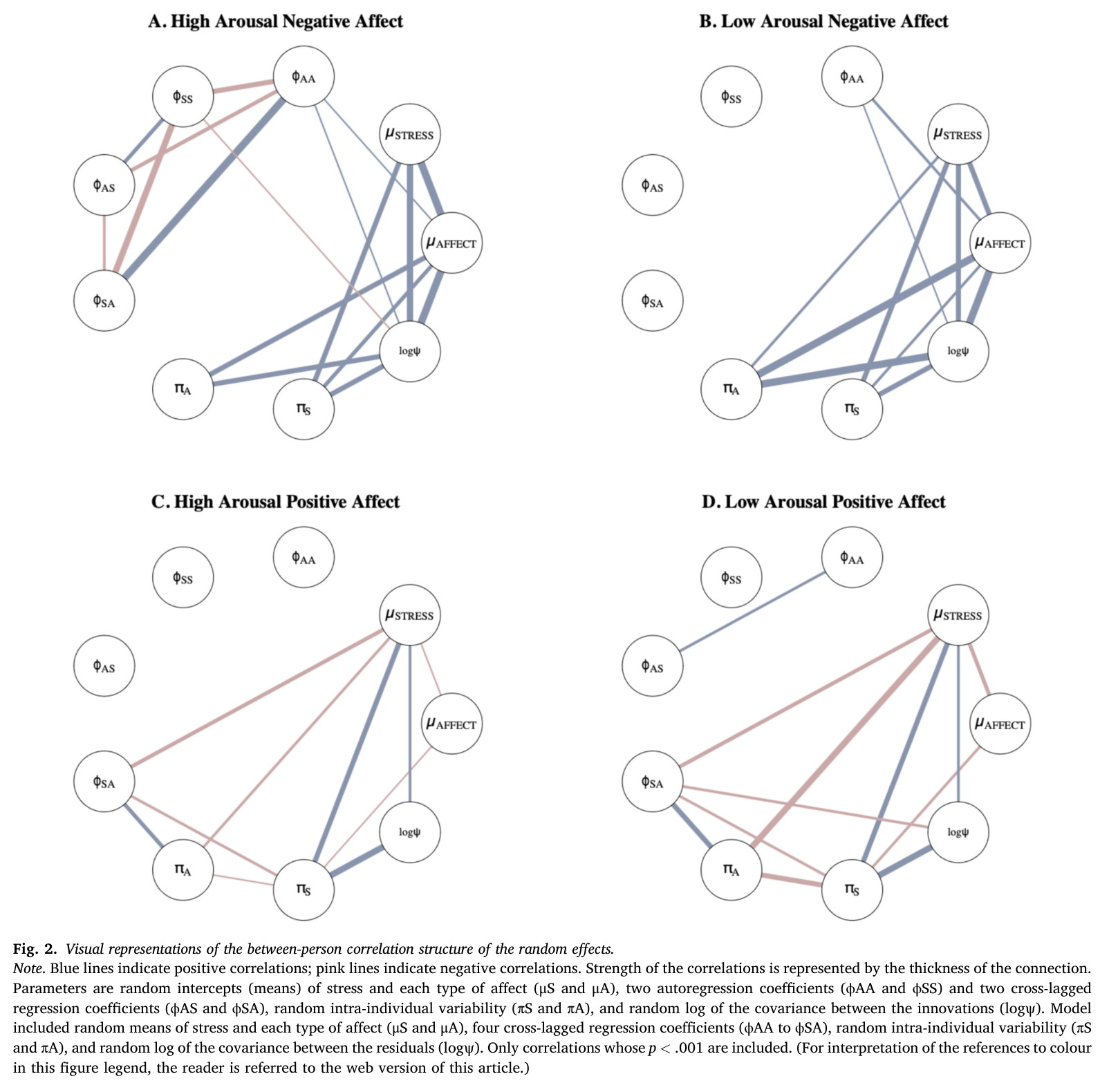
Figure 2 reproduced from Le et al. (2026), Journal of Affective Disorders.
Stress & emotions
Tracking young adults’ stress and emotions several times a day showed that stress and feelings push each other up and down over hours, and that highly stressed people get less relief from positive moods.
Le et al. (2026) Read more
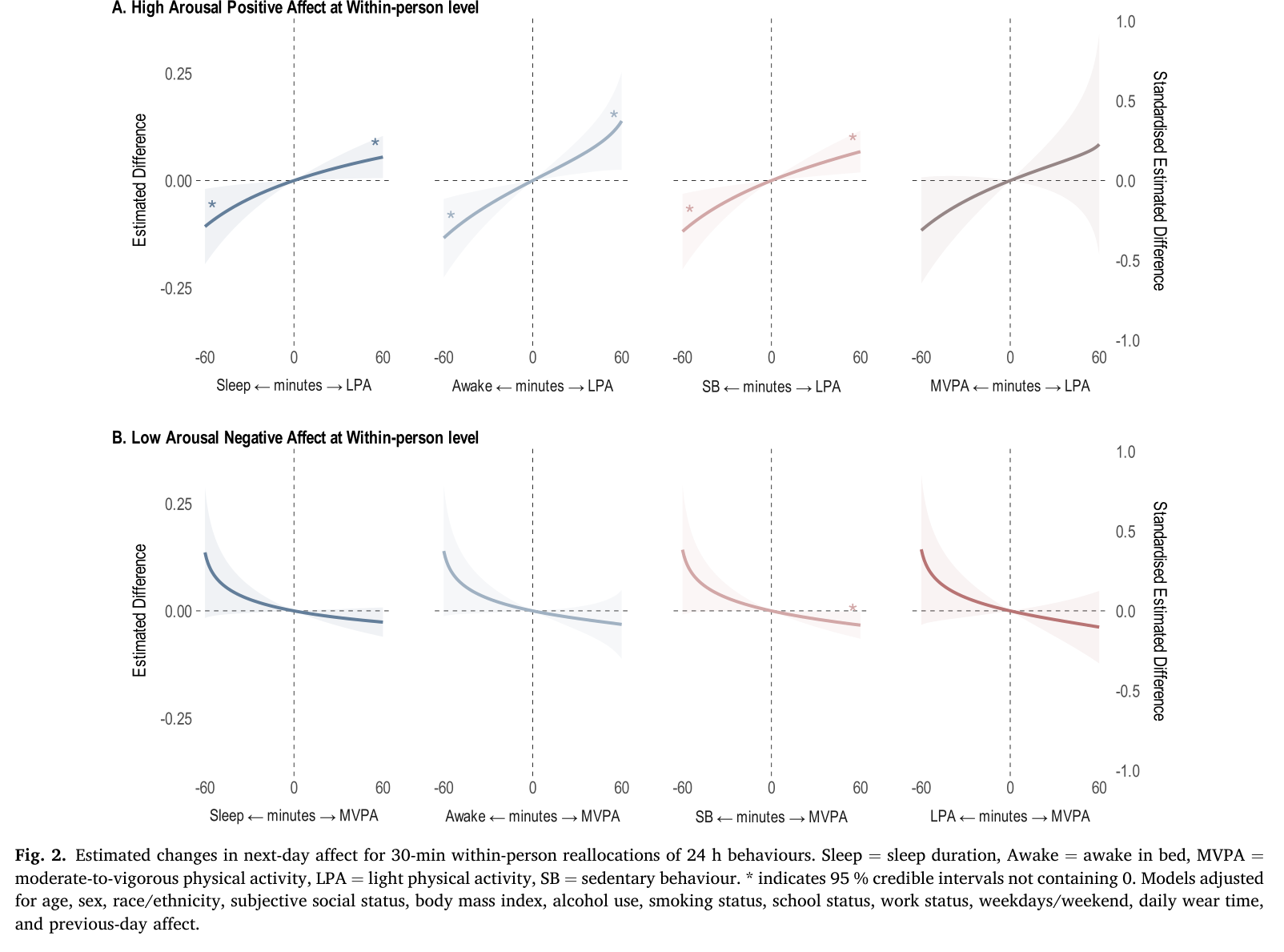
Figure 2 reproduced from Le et al. (2026), Psychology of Sport and Exercise.
24-hour time use
Tracking young adults’ sleep and movement with wrist devices for up to two weeks showed that swapping sitting time for light or more vigorous activity on a given day predicted slightly better mood the next day.
Le et al. (2026) Read more
How we work
Randomised trials of brief and digital treatments, intensive daily studies with phones, wearables and at-home sleep recordings, and new statistical methods we share as free software.
>160 publications
>$26M AUD in competitive funding as chief investigator
>13,000 citations on Google Scholar (>8,000 Scopus)
>970,000 downloads of our 8 R packages
Track record of Dr Joshua Wiley, as of October 2026, rounded down. Downloads from the Posit CRAN mirror.
Latest from the lab
New paper · 2026
New paper · 2026
Lab head
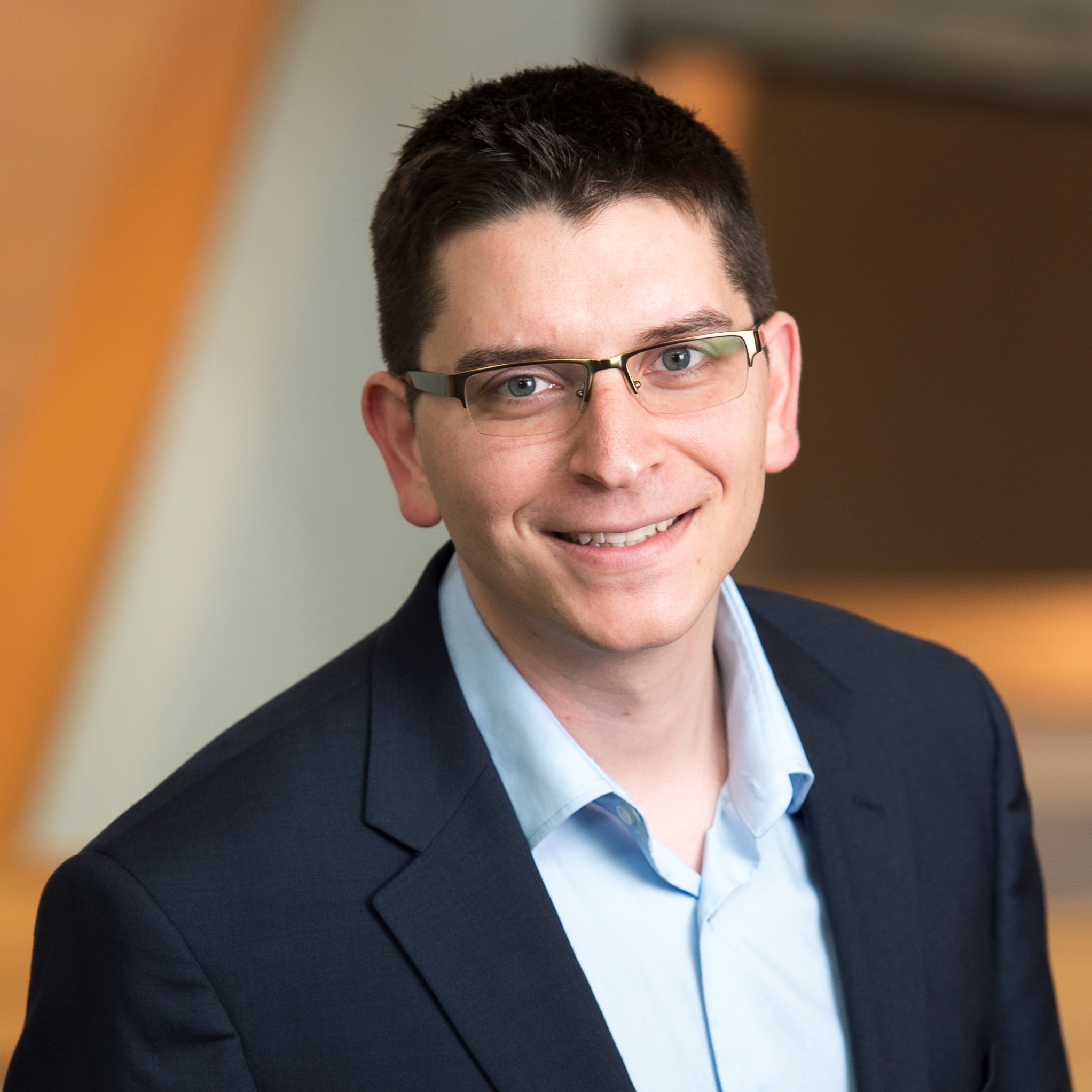
Joshua F. Wiley
Associate Professor Joshua Wiley leads the Behavioural Medicine Lab at Monash University and is an Honorary Research Fellow at the Peter MacCallum Cancer Centre. He completed a PhD in health psychology at the University of California, Los Angeles, followed by postdoctoral training in randomised controlled trials.
His research follows how sleep, stress and emotions unfold in daily life, then uses those findings to build accessible sleep and emotion-regulation interventions. His group pairs data from phones and wearables with modern statistics and shares new methods and tools as free software. His work has been funded by the NHMRC, MRFF and ARC, the US National Institutes of Health and Department of Defense, and the Wellcome Trust.